
Archaeological Discoveries, Local Guides, New Trails: Jabal Moussa Celebrates 18th Year of Conservation in the presence of Ministers of Culture and Tourism
New BAAL archaeological volume unveiled, local guides graduate, and a new trail connects Jabal Moussa to the Lebanon Mountain Trail
Qehmez, 26 September 2026 - Under the patronage and in the presence of Minister of Culture H.E. Dr Ghassan Salamé and Minister of Tourism H.E. Mrs Laura Khazen Lahoud, the Association for the Protection of Jabal Moussa (APJM), in collaboration with the Lebanon Mountain Trail Association (LMTA), held a celebration at Jabal Moussa Biosphere Reserve Qehmez entrance, under the theme “Jabal Moussa UNESCO Biosphere Reserve: Heritage, Nature and People - 18th Year of Conservation in Action.”
The event brought together representatives of ministries, public institutions, municipalities, local and international organisations, universities and experts, alongside local residents, guides, and APJM’s partners and friends.
The celebration marked Jabal Moussa’s achievements in protecting nature and cultural heritage while advancing sustainable development. It highlighted archaeological research in the reserve, the achievements of the RES-MAB project, opportunities for local youth, and the launch of a new trail connecting Jabal Moussa to the Lebanon Mountain Trail.
The programme opened with a video tracing the Biosphere Reserve’s 18-year journey, showcasing progress in biodiversity conservation, cultural heritage preservation and scientific research, as well as activities supporting local communities and sustainable rural development.
In his welcoming address, APJM President Mr Pierre Doumet highlighted the role of biosphere reserves in bringing together biodiversity conservation, the protection of natural and cultural heritage, and support for local communities through ecotourism and sustainable development. He also emphasised the opportunities offered by the new connecting trail, which invites Lebanon Mountain Trail hikers to discover Jabal Moussa’s network of trails and its natural and archaeological sites.
Archaeological discoveries reveal mountain life through the ages
The launch of BAAL Hors-Série XXI, published by the Directorate General of Antiquities (DGA), showcased the results of years of collaboration between APJM, the DGA and more than twenty Lebanese and international researchers.
Dr Claude Doumet-Serhal presented the archaeological research conducted at Jabal Moussa between 2009 and 2026. These findings have challenged perceptions of Lebanon’s mountains as historically isolated areas, revealing instead vibrant centres of settlement, production and exchange with the coast that played an integral role in the country’s history over thousands of years.
The discoveries document the diverse activities of mountain communities across the centuries, from the Roman and Byzantine wine press at Broqta to the lime kiln at Qornet ed-Deir, charcoal production sites and evidence of iron extraction. Research into burials and human remains at Qornet ed-Deir has also shed light on the inhabitants’ ways of life, diet and genetic ancestry.
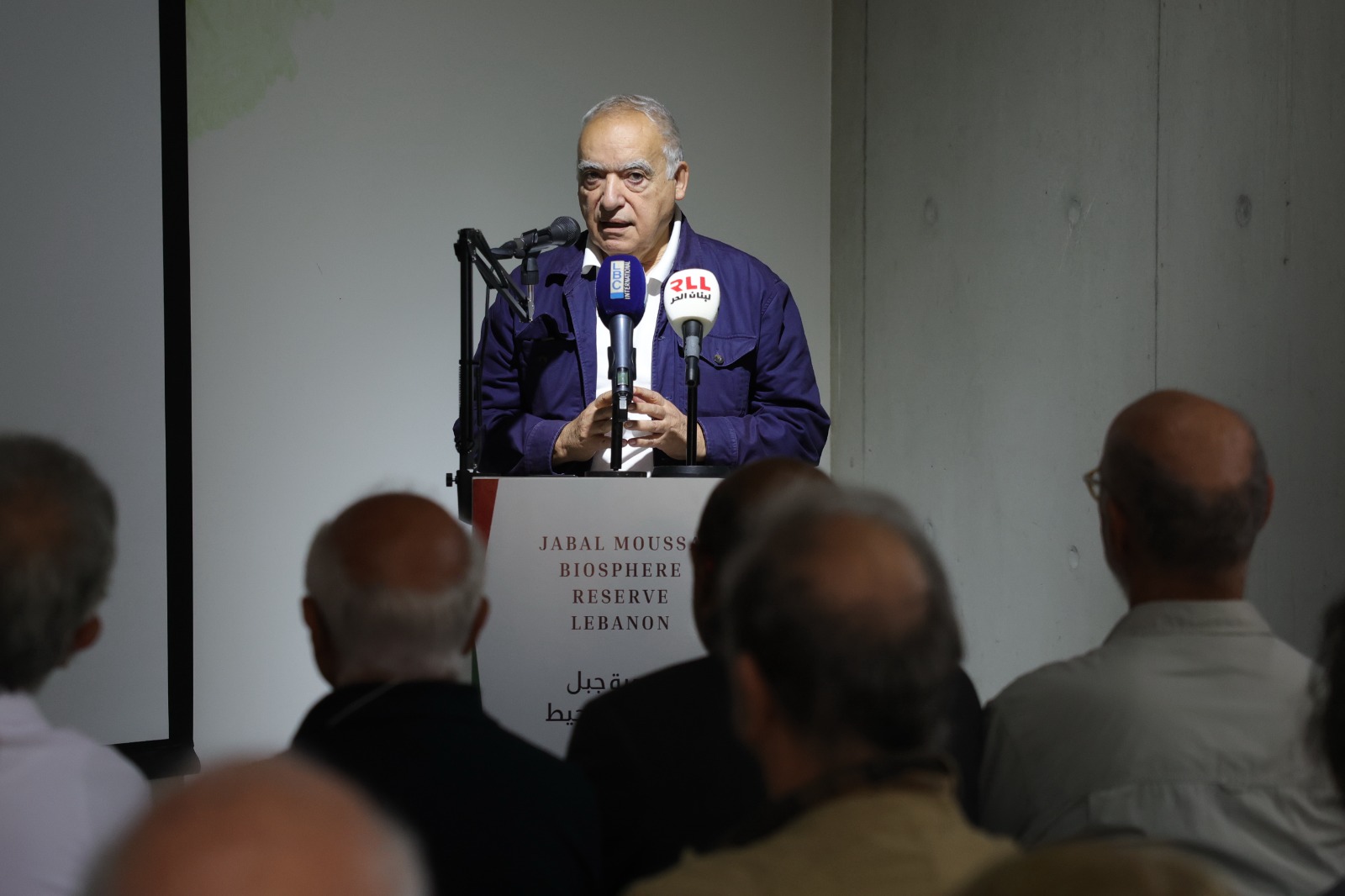
Minister of Culture Dr Ghassan Salamé then presented BAAL Hors-Série XXI. He described Jabal Moussa as a model for combining environmental protection with cultural heritage conservation, stressing that this work cannot be undertaken by the State alone. It requires the combined efforts of local communities, active associations and public institutions, represented by the Ministry of Culture and the Directorate General of Antiquities.
The Minister also highlighted a shift in archaeological research in Lebanon, which had historically focused on the coast and Beirut while overlooking mountain areas. He underlined the importance of the discoveries at Jabal Moussa and announced plans to digitise BAAL with support from a grant received by the Ministry.
Restoring water sources and developing renewable energy solutions
Under the theme “From Conservation to Sustainable Development,” APJM Executive Director Mrs Joelle Barakat presented the main achievements of RES-MAB as the project approaches its conclusion. Her presentation focused particularly on water, highlighting its connections with energy, food and ecosystems, and the importance of managing and protecting water resources.
She also presented solutions that combine wildfire risk reduction with renewable energy production by turning vegetation cleared along roadsides into woodchips for heating.
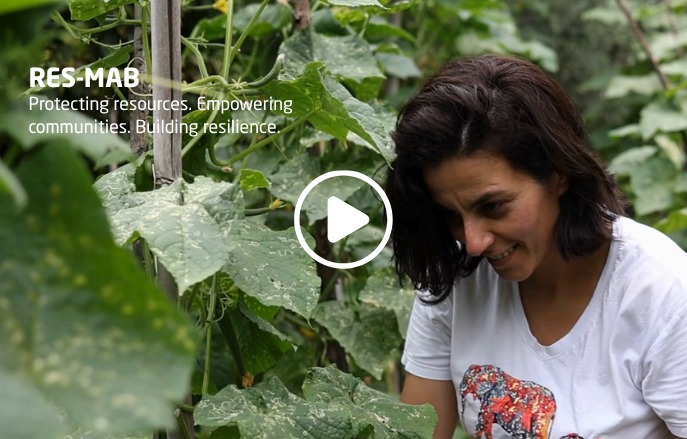
A dedicated project video showcased tangible results, including the rehabilitation of five water sources that help irrigate approximately 200 hectares of agricultural land, training and beehive distribution for beekeepers, and activities supporting sustainable farming practices.
A trail connecting nature, heritage and water
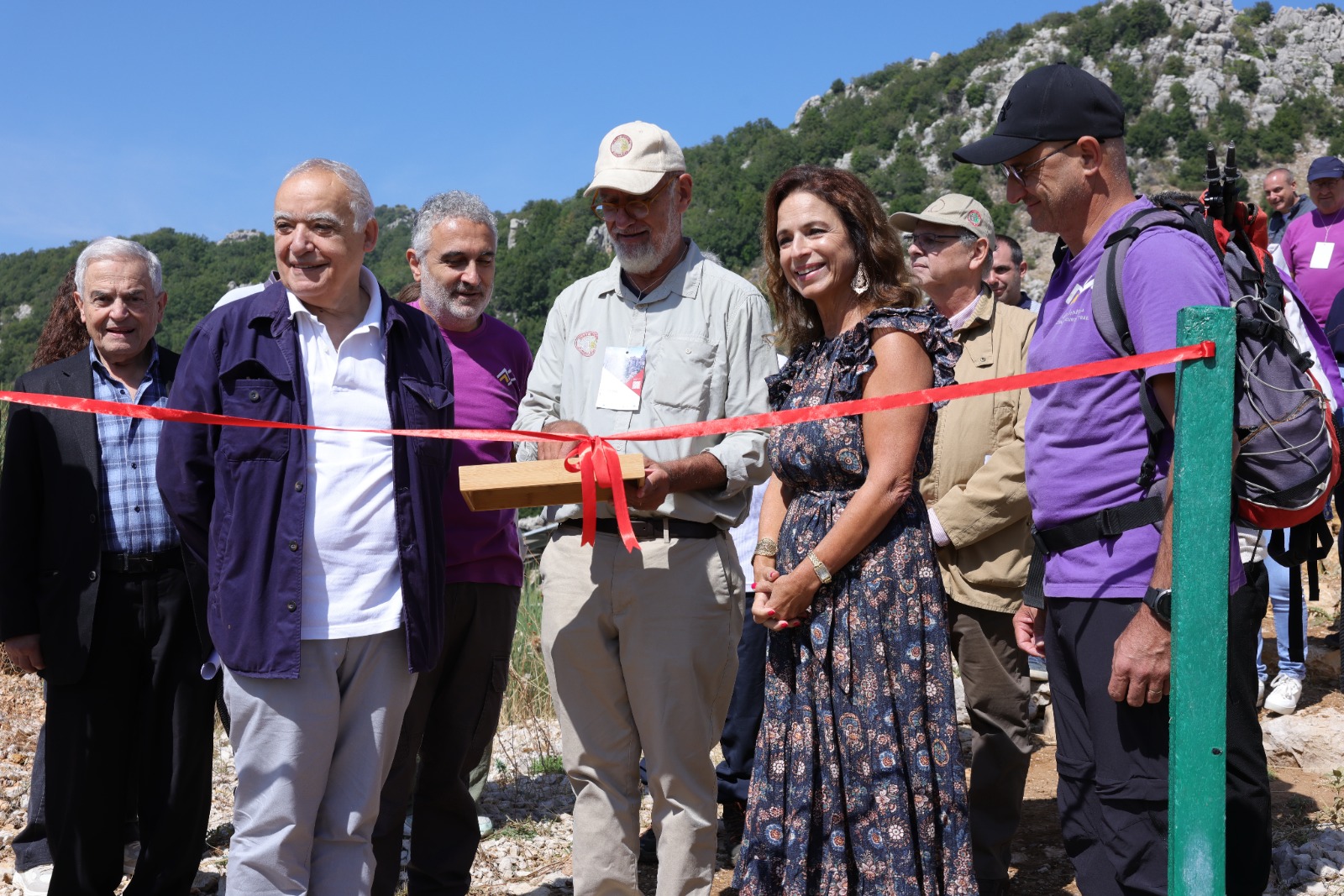
The launch of the new connecting trail between Jabal Moussa and the Lebanon Mountain Trail was a highlight of the celebration, strengthening connections between trail networks and the landscapes they traverse.
LMTA Board Member Mr Sami Baydoun introduced the trail as the outcome of a partnership rooted in the two associations’ shared commitment to protecting mountains, supporting rural communities and developing responsible tourism. He explained that the Lebanon Mountain Trail stretches from northern to southern Lebanon and has expanded through side trails that connect different regions and reach most of the country’s nature reserves. He also recalled the associations’ earlier collaboration on accessible tourism for people with disabilities.
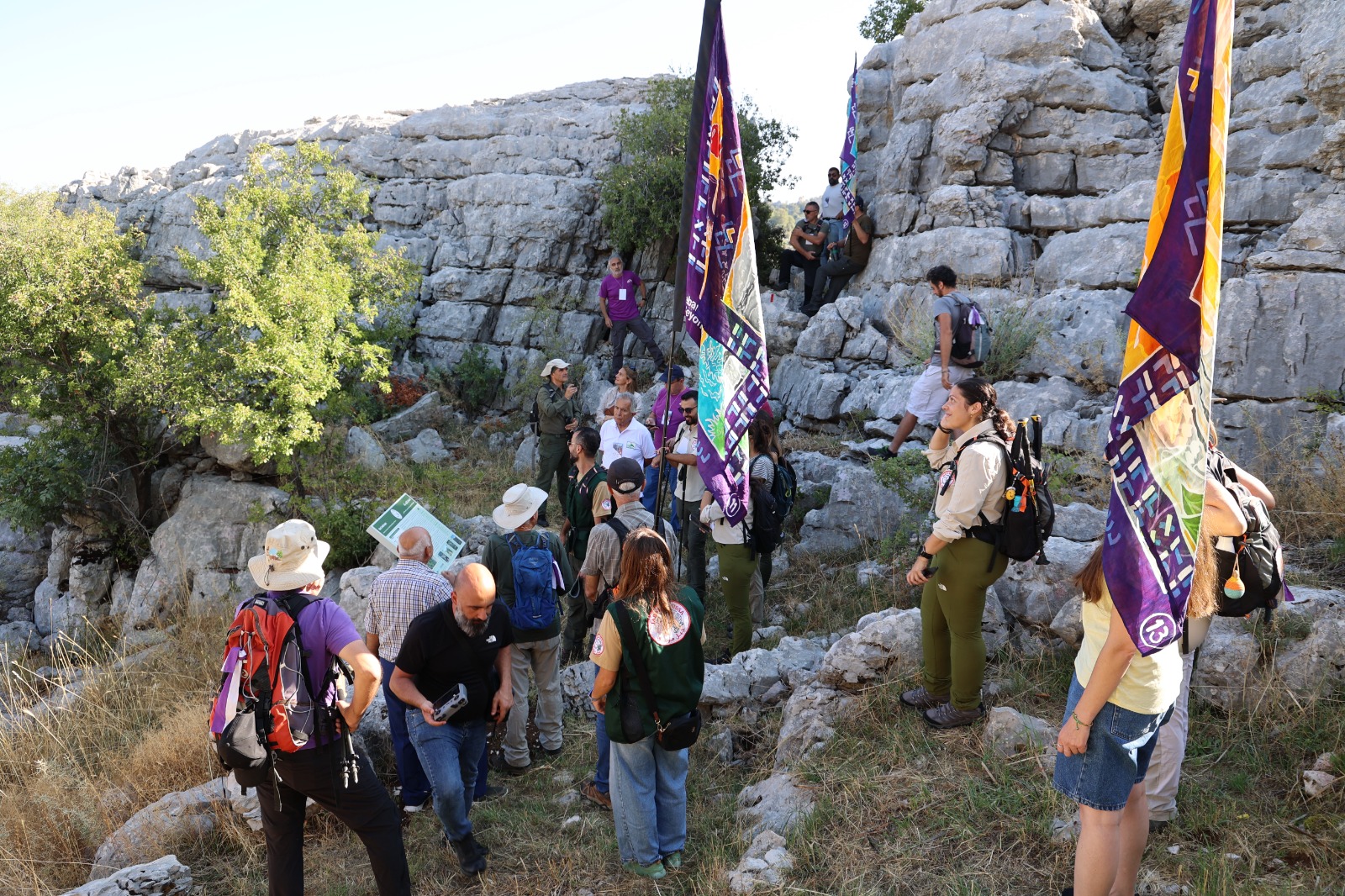
The 3.8-kilometre connecting trail passes through striking karst rock formations and the area around Nabeh el Hadeed spring, an important source of irrigation water for Qehmez.
Minister of Tourism Mrs Laura Khazen Lahoud officially launched the trail. In her address, she praised Jabal Moussa as a model of tourism that brings together nature, heritage and people. She commended 18 years of conservation efforts and the role of young people and local guides in sharing knowledge of the mountain with visitors. She described the new trail as a step towards strengthening connections between regions and rediscovering Lebanon through responsible, sustainable tourism.
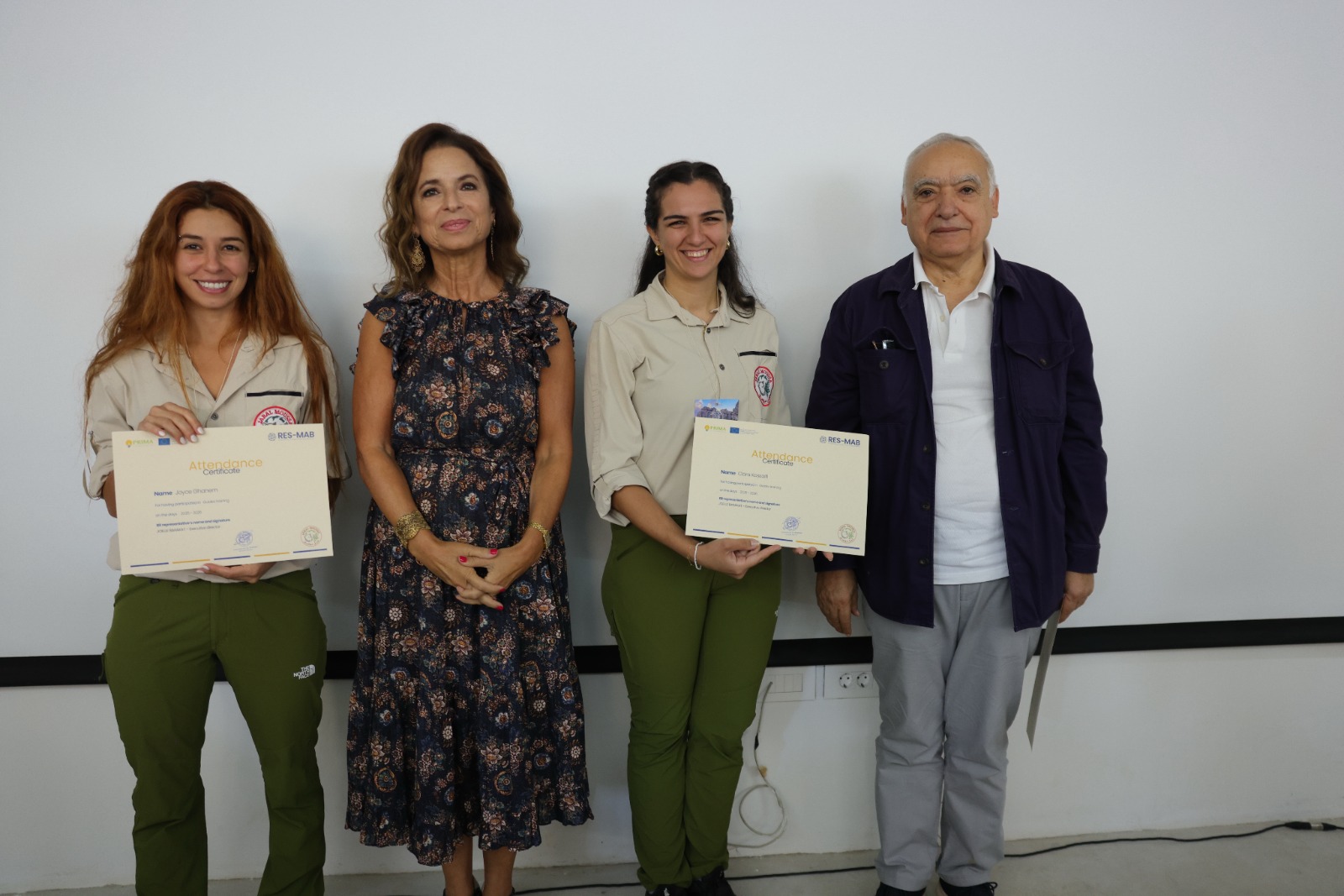
The ceremony also celebrated the graduation of a new group of local guides, who received their certificates following a brief presentation of the training programme delivered to 20 guides under RES-MAB.
The speeches were followed by a field visit and ribbon-cutting ceremony. Dr Joanna Doummar introduced participants to the karst landscape and its significance before the group walked back to the reserve entrance.
Earlier that morning, participants had the opportunity to experience part of the new route during an optional one-hour walk, starting at the Culture and Tourism Centre in Qehmez and passing through the karst landscape.
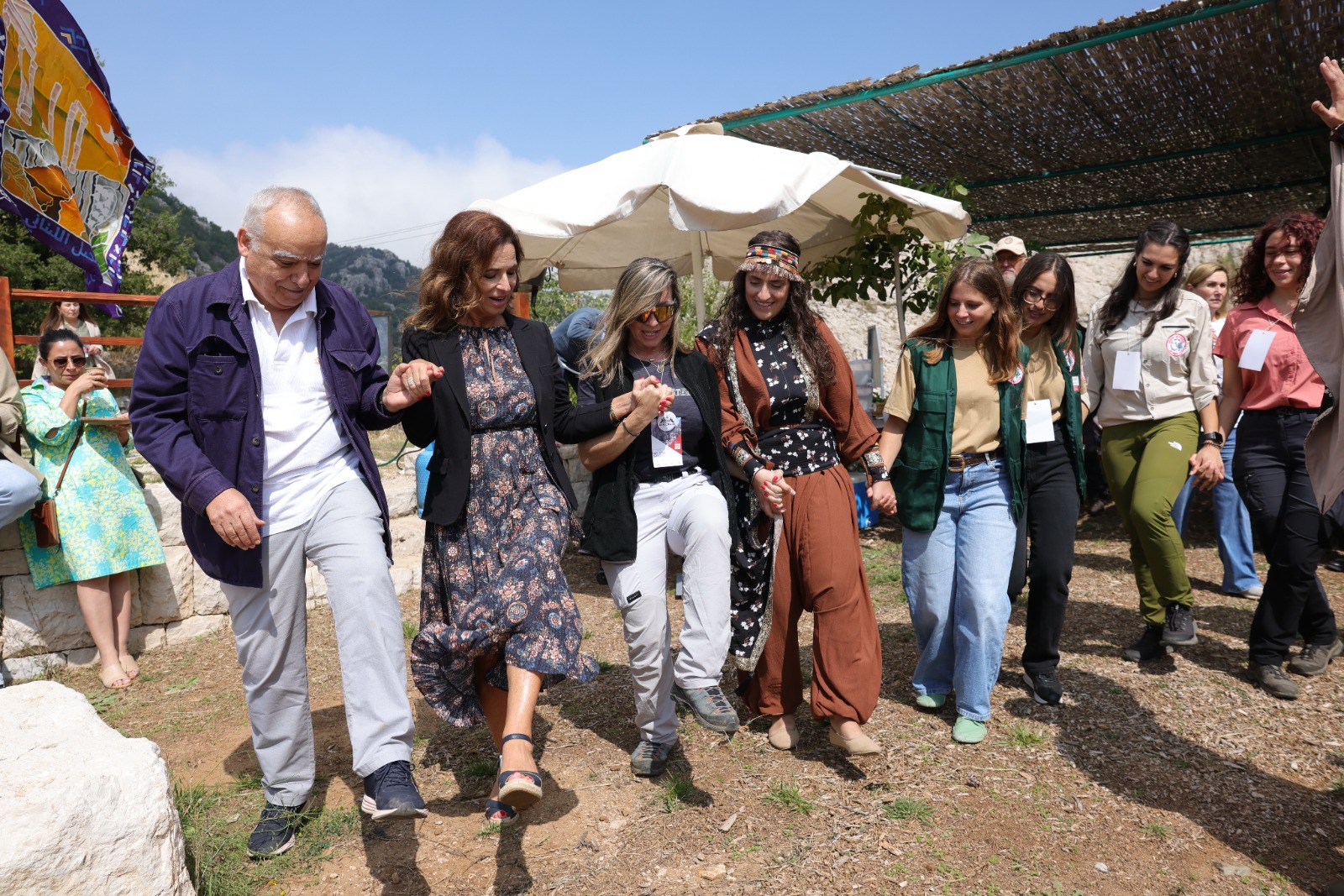
The celebration concluded with a traditional rural lunch prepared by women from the local community and a demonstration of traditional arak distillation. Dabke dancing and improvised zajal poetry by poets Elias Khalil and Joseph Khalil added to the festivities, celebrating the involvement of communities surrounding the reserve and the continuity of local traditions.
Media enquiries:
Marc Atallah
Association for the Protection of Jabal Moussa - APJM
[email protected]
+961 81 391 475